

Radiant Heating Systems
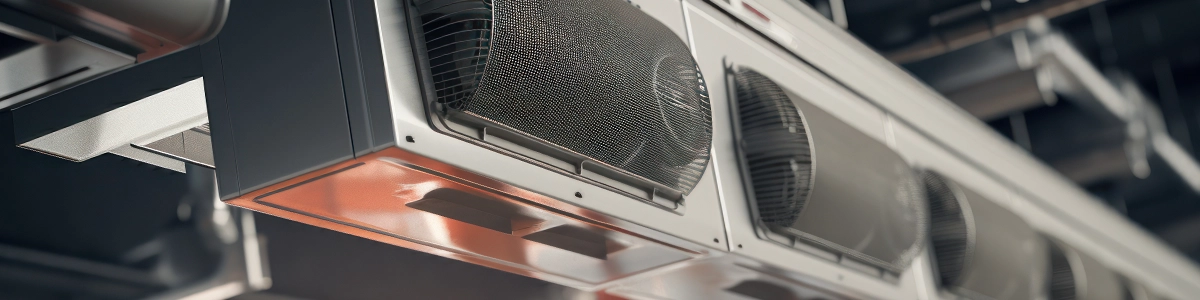
Among natural gas heating systems, one of the most commonly used models today is the radiant system. The operating principle of these systems is based on natural gas and LPG energy. Unlike boiler-based systems, these systems heat the objects in the area instantly through heat conversion. Radiant systems are widely used in cafés and restaurants. Especially when mounted on the ceiling, they provide rapid heating in a short time. Another difference compared to boiler systems is that while a boiler heats the air, radiant heaters directly heat the object itself.
A radiant heating system consists of special panels or tubes that direct heat directly toward objects and people. It offers a comfortable heating experience while saving energy.
Unlike traditional radiators, modern radiant heaters warm a room or space evenly, minimizing temperature fluctuations.
What Are the Types of Radiant Heating?
Radiant heating systems vary depending on the area of use. The most common types of radiant heating used today include:
Hot-water-based radiant heating: Generally used on floors. It has a structure in which hot water circulates through embedded pipes.
Electric radiant heating: Most commonly used on walls or ceilings. It directly affects the objects intended to be heated within a space and generates the required heat using electrical energy.
Features and Advantages of Radiant Heating Systems
Among heating systems, radiant heaters — especially those used in communal areas — offer several important features. These include:
- High comfort,
- Quiet operation,
- Aesthetically pleasing design,
- No dust or air circulation,
- Customizable design according to the installation space,
- Fast heating with low energy consumption.
How Do Radiant Heaters Differ from Other Systems?
In recent years, advancements in technology have led to a noticeable increase in the number of heating systems — each with unique characteristics. So, what distinguishes radiant heaters from others?
They stand out particularly in terms of comfort, energy efficiency, and design. Compared to other heating methods, they provide a more uniform heat distribution and are more energy-efficient overall.